How Do Garden Tours Explain Medicinal Plant History?
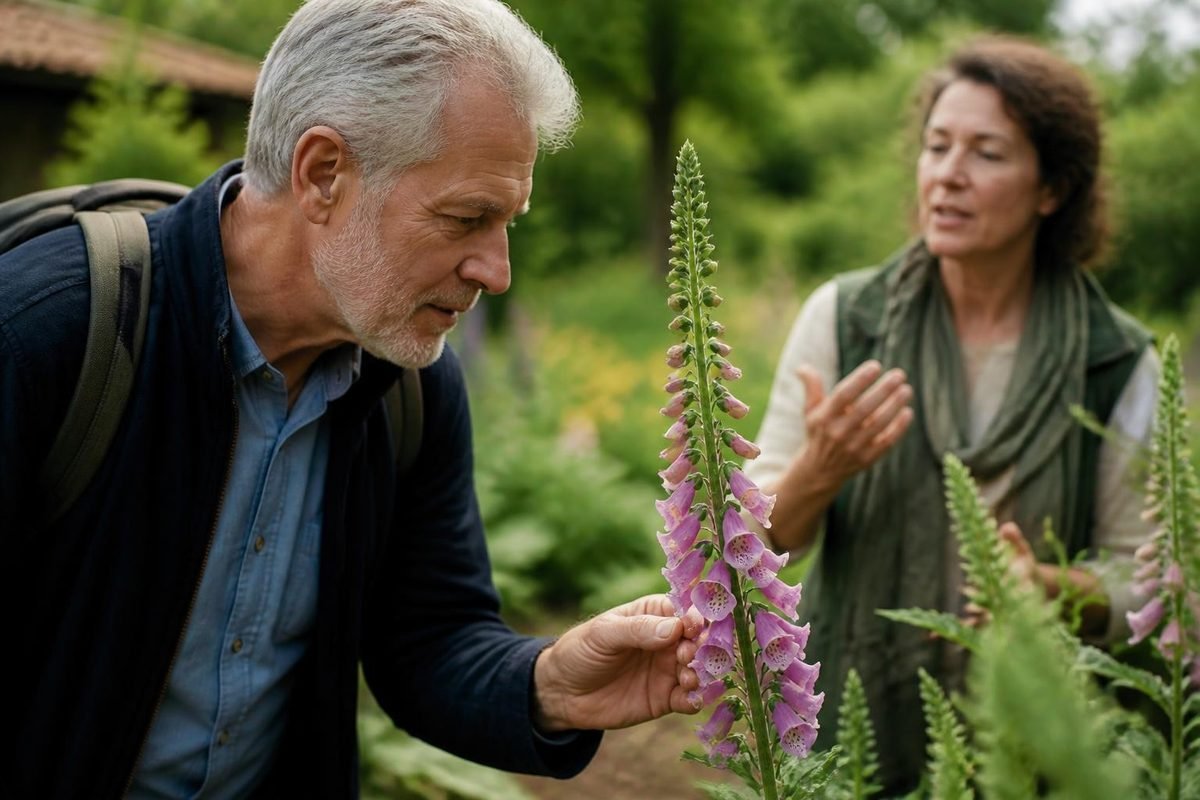
Garden tours explain the history of medicinal plants by connecting living specimens with the people who grew, traded, and used them. Guides may draw on old herbals, garden records, and medical texts to show how ideas about healing changed over time.
Plants as evidence of past care
A tour can begin with a plant in the ground rather than a list of dates. Seeing its leaves, flowers, and growing conditions makes it easier to understand why people collected or cultivated it. A guide might point to lavender and describe its long association with scent and household preparations, then explain which written sources mention those uses.
Some gardens also grow plants associated with formal medical traditions. The foxglove offers a useful example: its leaves contain compounds related to drugs used for certain heart conditions. A guide can explain that studying a plant's traditional use is not the same as proving every remedy made from it worked. Foxglove is poisonous, and its presence in a garden is not an invitation to use it as medicine.
Garden layout adds another layer. Beds arranged by historical period or by plant use can show what gardeners chose to grow together. Labels may name a plant and its origin, while the guide provides context: who had access to it, how it was prepared, and what evidence survives. The layout itself may be a modern interpretation, so it is worth asking how closely it follows a documented historical garden.
How guides build the story
A good tour moves between the plant and the source. These steps help visitors see how a historical claim is made, rather than simply taking a familiar remedy on trust.
- Identify the plant. A botanical name helps distinguish a species from others that share a common name. That matters when old and modern sources use names differently.
- Look at the source. A guide may quote a herbal or show a garden record. Its author, date, and intended audience help visitors understand whose knowledge was recorded.
- Ask how it was used. A historical text might describe an infusion, a poultice, or another preparation. The preparation matters because it tells us more than the plant name alone.
- Separate belief from evidence. A source can tell us what people recommended without proving that the treatment was safe or effective. Modern research is a separate question.
Tours can also acknowledge gaps in the record. Written sources do not capture every person's knowledge, and a surviving book may tell us more about its author than about everyday practice. Asking where a story comes from makes the visit richer and keeps a neat garden display from becoming an overly simple account.
Questions to ask on a tour
Did people use this plant locally?
Ask what records place it in the area. A plant's presence in a modern collection does not by itself show that it grew there in the past.
Who recorded the remedy?
Knowing the writer's role and audience can reveal what the source was meant to do and whose experience may be missing.
Is the historical use considered safe today?
Past use is not proof of safety. Ask about current evidence, and seek medical advice rather than trying a garden plant as a treatment.
More background: learn more